
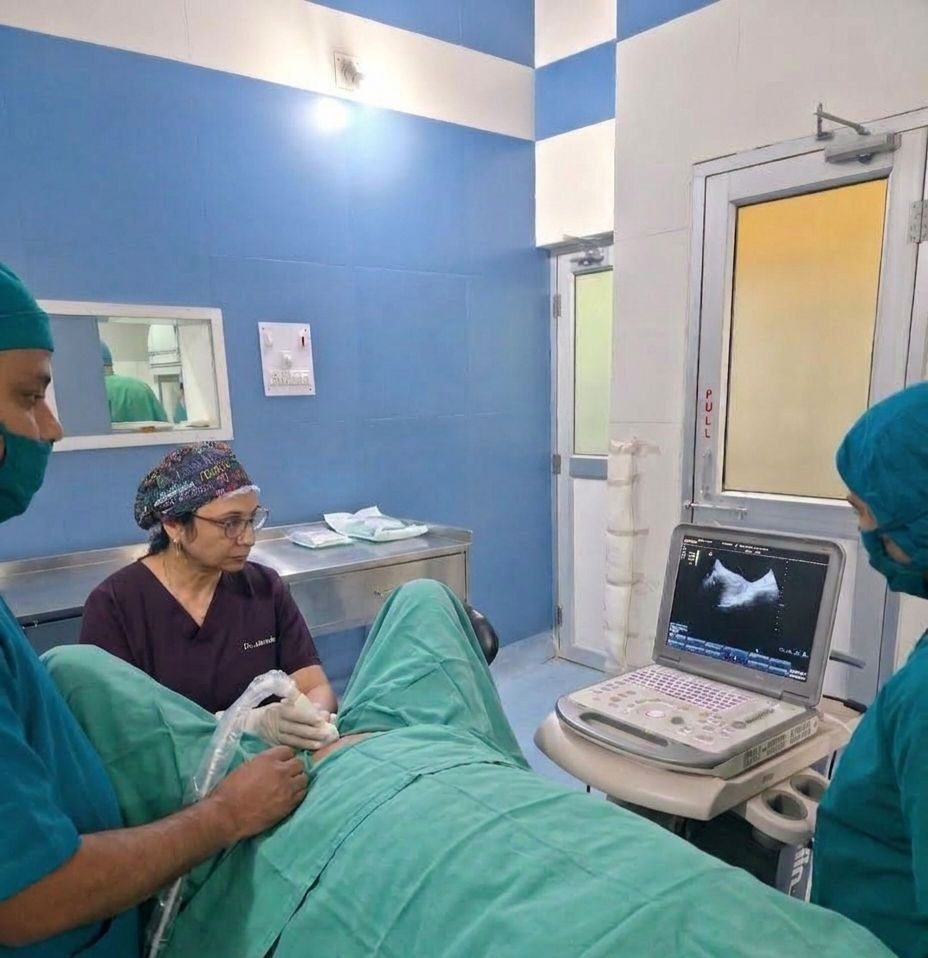
Clinical Biochemistry
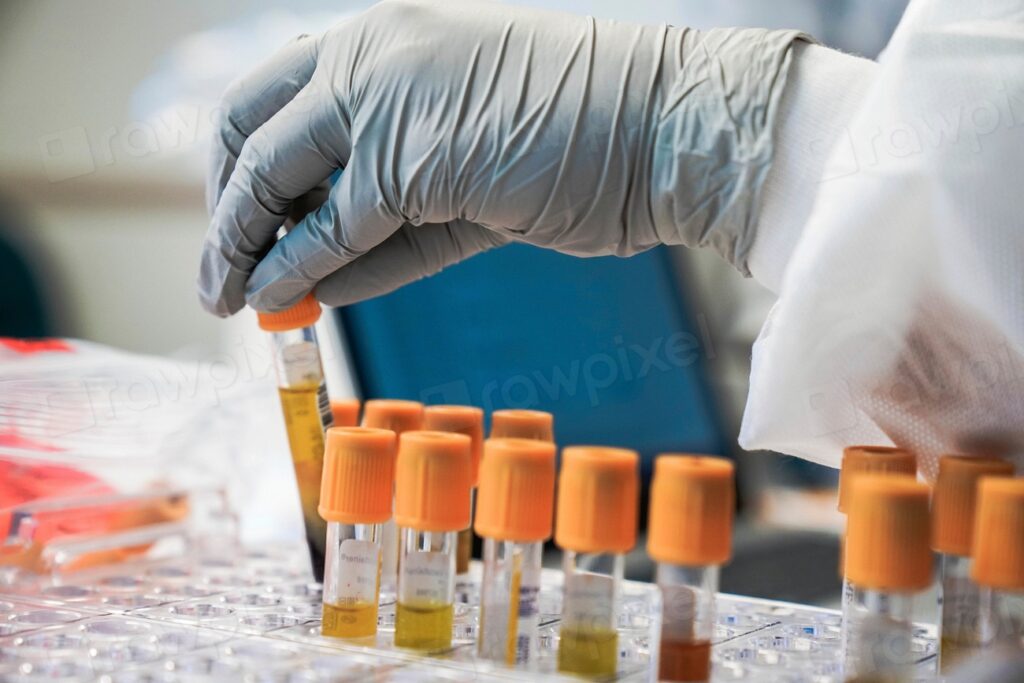
Clinical Biochemistry — blood chemistry testing in Bokaro Steel City
Clinical biochemistry reads the chemistry of your blood — the sugars, salts, enzymes and hormones that reveal how your kidneys, liver, heart, pancreas and thyroid are actually working. It is the most heavily used section of our in-house laboratory, running on automated analysers that process hundreds of samples daily with strict quality control. From a diabetic’s morning sugar to a jaundiced patient’s liver panel, from a surgical candidate’s fitness profile to a pregnant mother’s thyroid check, biochemistry results are the numbers your treatment decisions are actually made on — and at Surgy Centre they have been made on our numbers since 1977.
Walk-in samples accepted during OPD hours; routine reports usually the same day. Call 88770 88770 / 73710 50505 for test guidance and rates.
What we test — the biochemistry menu
Sugar metabolism
Kidney function (KFT/RFT)
Liver function (LFT)
Lipid profile
Cholesterol (total, HDL, LDL), triglycerides — the heart-risk screen every adult above 30 should know, especially with family history, BP or diabetes.
Thyroid profile
TSH, T3, T4 — fatigue, weight change, infertility, pregnancy and newborn screening all pass through here; see our infertility programme where thyroid is part of every workup.
Cardiac and other enzymes
CPK, LDH, amylase and lipase — chest-pain workups and pancreatitis diagnosis, with immediate escalation pathways for suspected cardiac events.
Bone and minerals
Calcium, phosphorus — bone health, parathyroid and vitamin-D-related workups.
Preparation — getting accurate results
Quality — how we keep numbers honest
Analyser accuracy is only the middle of the story. Before analysis: correct tubes, correct labelling, clot-free samples, and rejection of doubtful collections. During: control samples run before every patient batch; results outside control limits are re-run, not reported. After: critical values (a sugar of 30, a potassium of 7) trigger immediate phone calls to the treating doctor — the value that changes a patient’s night is never left on a printout. This discipline, boring as it sounds, is why clinicians here order fewer repeat tests and trust the first report.
Common clinical situations we support
Reports and follow-up
Routine biochemistry reports are typically ready the same day; specialised items the next. Collect at the counter, or have them reviewed with your doctor — we encourage the second, because a number without context worries more than it informs. Old reports from other centres are welcome in comparison; trends change decisions. Doubt a result? We re-run it free and show you both values.
Give your sample
Laboratory inside Surgy Centre, 225 Cooperative Colony, Bokaro Steel City, Jharkhand 827001. Collection Monday–Saturday 9 AM–12 PM and 3–6 PM; emergency processing 24×7. Phone: 88770 88770 / 73710 50505. Related: All Laboratory Services · Haematology · All Treatments.
Diabetes monitoring — the numbers that actually steer the ship
Diabetes care runs on a small set of numbers, each with a job. Fasting sugar opens the day’s picture; PPBS shows how the body handles the meal; but HbA1c is the captain — the three-month average that no single lucky morning can flatter. Our targets follow Indian guidelines: HbA1c under 7% for most, individualised by age and complication profile — the number your doctor sets with you, not a poster’s. The monitoring rhythm: HbA1c every 3–6 months; kidney function (creatinine, urine protein) annually — diabetes’s quietest casualty; lipid profile yearly; eye and foot checks in their own calendars. The medicines question biochemistry answers daily: metformin’s kidney gate (creatinine checks before continuing), sugar-lowering adjustments after illness or diet changes, and the hypoglycaemia workup when “shakiness in the mornings” arrives in the story. Our laboratory runs the full cycle; the ward’s diabetics get the panel on admission as routine. The family’s role: keep the old reports — a creatinine’s trend over three years says more than any single value, and trends live in folders, not memories.
Thyroid testing — the small gland that writes big symptoms
Few glands touch so many lives with so little drama: the thyroid’s hormones set the body’s metabolic pace, and their imbalance masquerades as everything — fatigue blamed on busy lives, weight change blamed on age, irregular cycles blamed on stress, infertility “unexplained” until TSH was checked. Our panel: TSH first (the sensitive screen), with T3/T4 completing the picture; the follow-up rhythm after starting treatment is six weeks — the thyroid’s own calendar, faster testing wastes everyone’s time; pregnancy rewrites the targets (tighter control, earlier testing — part of every ANC panel, because untreated thyroid problems touch the baby’s brain development); the tablet habit: taken on an empty stomach, consistently, with the test drawn before the day’s dose at review. Hypothyroidism is among medicine’s best bargains: a daily tablet, a periodic blood test, a completely normal life — provided the testing habit survives the feeling-better that tempts patients to stop. The counter sees that habit quietly: the thyroid test is among our most-repeated, and we like it that way.
Liver tests — reading the jaundice and the fatty liver
The liver panel is a story in enzymes, and the pattern tells the plot. SGOT/SGPT — the transaminases — rise when liver cells are irritated: hepatitis, medicines (the self-prescribed painkiller course is a classic), and the region’s quiet epidemic — fatty liver, riding the diabetes-and-weight wave. Bilirubin — the yellow pigment — climbs with hepatitis A and E (the monsoon jaundices), obstruction, and haemolysis; ALP/GGT lean toward bile-flow problems and alcohol; albumin reports the liver’s factory output and chronicity. The clinical habits around the panel matter as much as the numbers: jaundice gets its ultrasound (suite) the same day; the “just fatty liver” gets its honest lifestyle prescription while it is still reversible; the hepatitis-positive patient gets serology typing (serology), family screening and vaccination counselling. What the panel cannot do: forgive the myth that “liver tests were normal so the liquor is fine” — normal today is not a licence; it is a reprieve with conditions.
Electrolytes and the sick patient — the numbers behind the drip
Sodium, potassium and friends are the body’s electrical system — invisible until a vomiting night or a diuretic tablet tilts them, and then suddenly central to everything: heart rhythm, consciousness, muscle function. Our emergency panels run around the clock for exactly these: the gastroenteritis child whose sodium decides the drip’s recipe; the diuretic-treated heart patient whose potassium drifts silently toward rhythm trouble; the confused elderly patient whose “stroke” story is actually sodium 118; the diabetic crisis where potassium and acid-base swing together. The laboratory’s discipline is timing-critical: samples spun and run immediately, results phoned to the treating doctor the minute they print — electrolyte panels are the one report class where “it’s printed, waiting for collection” is a failure by definition. Families should know one thing from this section: when the doctor orders “electrolytes” at midnight, it is not routine padding — it is the safety rail under the drip going into the vein, and the answer will be in the treatment within the hour.
Kidney function — the quiet numbers worth knowing by name
Kidneys fail politely — no pain, no drama, just numbers drifting on annual reports while the patient feels “fine”. The panel’s vocabulary: urea and creatinine (the filtration markers — creatinine’s trend is the real biography), electrolytes (the kidneys’ balancing act), urine protein (pathology‘s contribution — proteinuria often speaks before creatinine does). Who watches these numbers for life: every diabetic and hypertensive (annual, minimum), every patient on long-term painkillers (the humble NSAID course is a kidney story), every stone-former, every elderly patient starting new medicines. The interventions that work — blood pressure control, sugar control, hydration, avoiding the kidney-hurting medicine soup — are all cheaper than dialysis by orders of magnitude, which is the entire arithmetic of early detection. Our advice in one line: if you carry diabetes or BP, the creatinine curve on your file should be as familiar to you as your weight; the annual health check draws it, and the folder keeps it.
Need a consultation or second opinion?
Book your appointment online or call us directly — our team will confirm your slot within minutes.