
Cytology
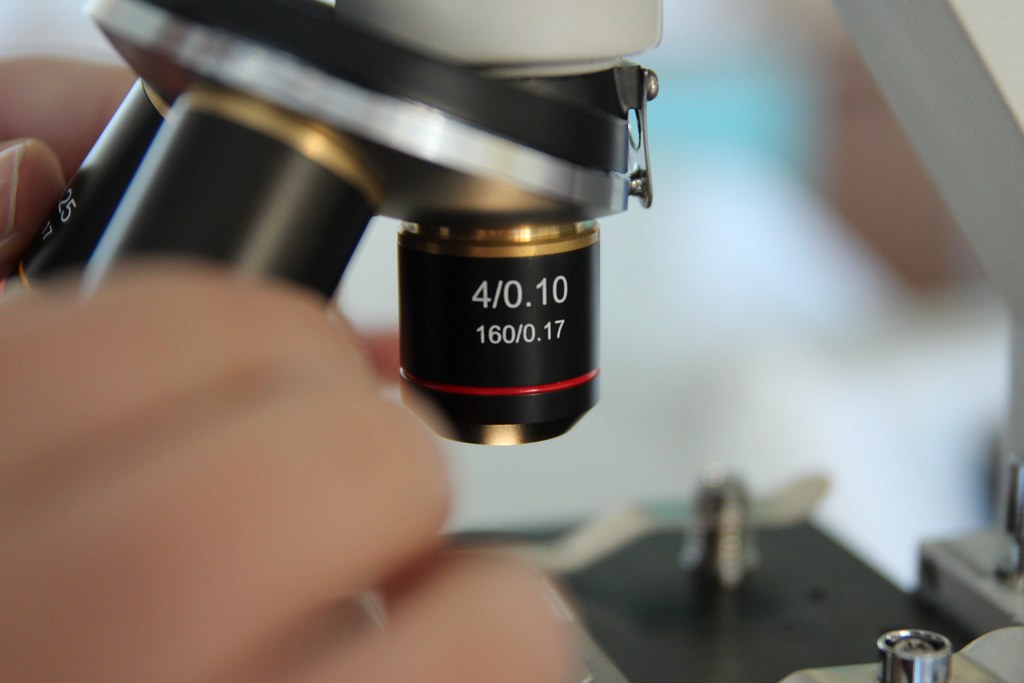
Cytology — Pap Smear & FNAC for early detection in Bokaro Steel City
Cytology is the science of examining individual cells under a microscope to detect disease early — most importantly, cancers and pre-cancers at the stage when cure is nearly guaranteed. Two tests do most of this work: the Pap smear, which has cut cervical cancer deaths wherever it is used regularly, and FNAC (fine-needle aspiration cytology), which answers the “what is this lump?” question for thyroid nodules, breast lumps, swollen lymph nodes and soft-tissue swellings without surgery. At Surgy Centre, Bokaro Steel City, both tests are done in-house — samples collected in our OPD, processed in our own laboratory — under the clinical oversight of Dr. K. K. Das, whose surgical practice since 1977 has depended on these small tests catching big problems early.
No hospital admission, no anaesthesia, no recovery time — cytology is medicine at its most efficient. Book a test or consultation on 88770 88770 / 73710 50505.
The Pap smear — the test that prevents cervical cancer
Why it matters
Cervical cancer is caused almost entirely by the human papillomavirus (HPV), acquired through sexual contact — extremely common, usually silent. The cancer typically takes years to develop, passing through a pre-cancerous stage that is 100% detectable by Pap smear and essentially 100% curable by minor treatment. This is why countries with organised smear programmes have seen cervical cancer fall off the map — and why every woman aged roughly 21–65 should have periodic smears regardless of how healthy she feels.
How the test is done
A quick OPD procedure: the woman lies comfortably, a small speculum is introduced, and a soft brush samples cells from the cervix in seconds. Discomfort is minimal — brief pressure at most. The sample is fixed and examined in the laboratory for abnormal cells. The whole visit takes minutes; results are typically ready within a day or two.
Who should have it, how often
- First smear from age 21 (or three years after first sexual activity), then every three years if normal
- Co-testing with HPV testing, where available, can extend intervals to five years
- After a hysterectomy for benign disease, smears usually stop — discussed at your visit
- Post-menopausal women still need screening; abnormal bleeding at any age deserves immediate evaluation
Understanding results
Most smears are normal. Inflammatory changes are common and treated simply. Abnormal results (ASCUS, LSIL, HSIL in reporting language) do not mean cancer — they mean “cells look odd; let’s look closer” with HPV testing, colposcopy referral, or a repeat after treatment. The numbers that matter: cervical cancer found at the pre-cancer stage is curable; found late, it is among the harder cancers to beat. The Pap smear is how you find it early.
FNAC — answering the lump question without surgery
Fine-needle aspiration cytology is exactly what it sounds like: a very thin needle, often with ultrasound guidance, draws a small sample of cells from a lump for microscopic examination. In experienced hands it is quick (seconds), nearly painless, leaves no scar, and delivers a diagnosis that shapes the entire treatment plan.
What FNAC evaluates at our centre
FNAC results arrive in a day or two. Benign findings bring immediate relief and simple follow-up; suspicious findings trigger timely referral with the report in hand — the difference FNAC makes is that nothing waits in uncertainty.
Other cytology services
Accuracy and honesty about limitations
No screening test is perfect. Pap smears miss a small proportion of abnormalities — which is why regular repetition (the schedule above) matters more than any single result. FNAC occasionally yields “inadequate sample” or indeterminate reports — resolved by repeat sampling, core biopsy or surgical biopsy; we say so plainly rather than over-claiming. What our decades of practice add is judgement: knowing when a report and a patient don’t match, and digging further until they do.
Cervical cancer prevention — beyond the smear
Book a test or consultation
Surgy Centre, 225 Cooperative Colony, Bokaro Steel City, Jharkhand 827001. Samples collected during OPD hours (Monday–Saturday 9 AM–12 PM and 3–6 PM); reports typically same-day or next-day. Phone: 88770 88770 / 73710 50505. Related: Laboratory Services · Breast Lump Care · Hysterectomy · All Treatments. Book online.
HPV and cervical cancer — the full picture behind the smear
Cervical cancer’s story is now one of the clearest in medicine. Nearly every case begins with human papillomavirus (HPV) — a family of extremely common viruses passed through intimate contact; most infections clear silently within a year or two, but the high-risk types (especially 16 and 18) persist in some women and, over 5–15 years, drive cells through pre-cancerous change toward cancer. This long timeline is the disease’s fatal flaw from its own perspective: it announces itself in smear samples years before becoming dangerous. The prevention ladder, complete: HPV vaccination (ideally in school years, before any exposure — ask us about schedules), regular smears catching the pre-cancer stage (done here in minutes), HPV testing where available to extend safe intervals, prompt treatment of positive findings (minor procedures that cure pre-cancer permanently), and the ordinary hygiene of safe practices. Countries completing this ladder are watching cervical cancer become rare; Indian families completing it at home protect a generation of daughters.
FNAC technique — why the needle is so informative
Fine-needle aspiration earns its place through physics and cytology: a thin needle (thinner than blood-draw needles) enters the lump and, with several quick passes, samples the cells living there. Smears are fixed and stained; the laboratory reads the cellular landscape — benign thyroid cells, malignant ones, the lymphocyte patterns of tubercular nodes, the epithelial sheets of a fibroadenoma. The diagnostic yield depends on three things: the needle’s path (ultrasound guidance for invisible or deep lumps — our suite does this routinely), the operator’s passes, and the cytologist’s experience — all three of which are exactly what a hospital laboratory provides over a roadside “collection centre”. The word “biopsy” frightens patients into imagining scalpels; FNAC is the biopsy’s gentle cousin — no stitches, no scar, no recovery, a plaster over the puncture and an answer within days.
Reading your report — the vocabulary decoded
Laboratory language terrifies because it is precise; here is the translation of the common findings. Pap smear: “NILM” (negative for intraepithelial lesion) means normal — breathe; “inflammatory smear” means inflammation, treatable and common, not cancer; “ASCUS” means cells of uncertain significance — the usual next step is HPV testing or a repeat, not panic; “LSIL/HSIL” are pre-cancerous grades — LSIL often simply observed, HSIL treated before it ever becomes cancer; “glandular cells” findings get closer study. FNAC: “benign” closes the worry; “suspicious/malignant” opens the treatment pathway with the report in hand; “inadequate” means the sample didn’t catch enough cells — a repeat, not a diagnosis. In every category, the report names the next step; our doctors translate it to your situation the same visit. The vocabulary worth remembering: none of these findings equals a death sentence, and every one of them improves with the follow-up it names.
Building the habit — how families make screening happen
Screening fails not from lack of science but from lack of habit. The ways that work: anchor it to dates — the birthday month, the wedding anniversary, the annual school-admission rush; women who tie the smear to an existing habit keep it for decades. Book together — mothers and adult daughters, sisters, friend groups: the shared OPD visit turns a dread into an outing and halves the no-show rate. Let the men help — husbands who schedule their wives’ screening (and drive them, and mind the children) are the reason many women in our practice are up to date; masculinity that guards health is not discussed enough. Start the daughters early — HPV vaccination in school years and the first smear on schedule: the mother who completes her own screening is the vaccine-hesitancy antidote at home. Our OPD booking makes the logistics easy; the family that reads this page makes the habit permanent.
Cytology in the wider hospital — where each test fits
No cytology report stands alone; its power is the company it keeps. The abnormal smear leads to colposcopy referral and, sometimes, surgical treatment — usually minor, always curative. The thyroid FNAC with suspicious cells connects to surgical planning; the breast FNAC completes the triple assessment that decides watch-or-operate; the lymph-node FNAC reading tuberculosis sends the patient to proper anti-TB therapy months before culture ever would. This is why our laboratory sits inside a hospital: the report walks ten steps to the doctor who ordered it, the next step is decided the same afternoon, and the patient never carries a folder across town wondering what the words meant. Cytology is the early-warning system; the hospital is what makes the warning actionable — the combination is the whole point.
Need a consultation or second opinion?
Book your appointment online or call us directly — our team will confirm your slot within minutes.