
Ectopic Pregnancy
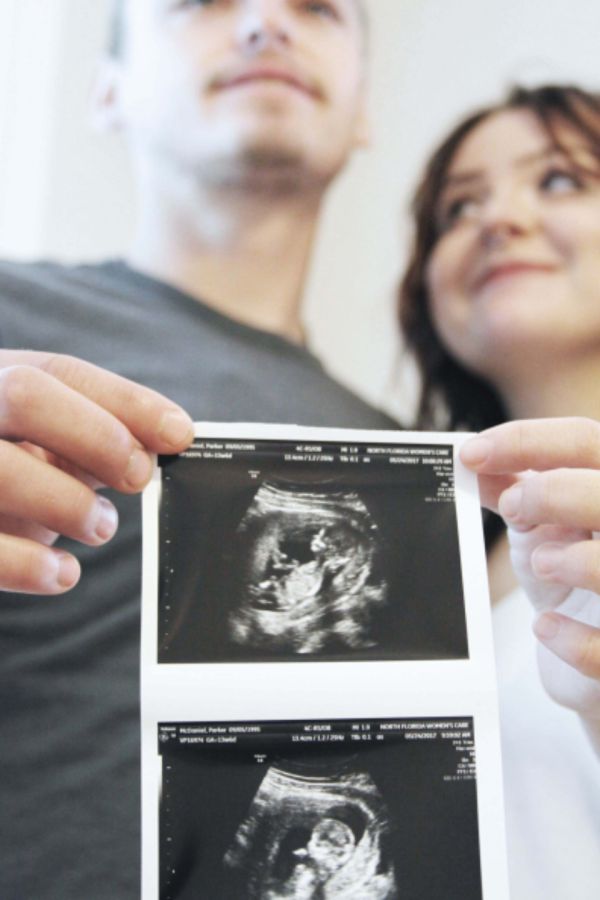
Ectopic Pregnancy — early detection and emergency treatment in Bokaro Steel City
An ectopic pregnancy is one that starts growing outside the uterus — most often inside a fallopian tube. It affects roughly 1 in 80–100 pregnancies in India, and it is a genuine emergency: a tube is narrow, cannot stretch like the womb, and can rupture, causing life-threatening internal bleeding. The reassuring news is that with early testing, most ectopic pregnancies are caught before rupture and treated safely, with the mother recovering fully. At Surgy Centre, Bokaro Steel City, our emergency desk, in-house ultrasound and blood-testing laboratory, and round-the-clock surgical team exist exactly for situations like this — and Dr. K. K. Das has managed these cases here since 1977.
If you are pregnant — or think you might be — and have one-sided lower abdominal pain, fainting, shoulder-tip pain or abnormal bleeding, do not wait: call 88770 88770 immediately. This page explains why ectopic pregnancy happens, how we diagnose and treat it, and what it means for future pregnancies.
Why ectopic pregnancy happens
After fertilisation, the egg normally travels down the fallopian tube to the womb over several days and implants in the uterine lining. If the tube is narrowed or its lining is damaged, the embryo can get stuck and implant inside the tube. Risk factors include:
Many women with ectopic pregnancy have no risk factors at all — which is why early pregnancy pain always deserves proper evaluation rather than reassurance over the phone.
Symptoms — what women actually feel
Any positive pregnancy test with pain or bleeding needs same-day evaluation. Walk in during OPD hours or call our emergency number at night — our ambulance covers Bokaro Steel City and nearby areas.
How we diagnose it — fast and accurate
Because our laboratory and ultrasound are in the same building, this workup — which elsewhere takes two or three visits — is completed in hours, not days. That speed is often the difference between medicine-management and emergency surgery.
Treatment options at Surgy Centre
Surgical treatment (the standard for ruptured or symptomatic ectopics)
Keyhole (laparoscopic) surgery removes the ectopic pregnancy while preserving the tube when possible, or removes the tube when it is badly damaged. In emergencies with heavy internal bleeding, open surgery may be faster and safer — the decision is made for survival first. Blood transfusion is arranged through our blood bank support when needed. Most women go home within 1–2 days after laparoscopy and recover fully in 1–2 weeks.
Medical treatment (selected early cases)
For very early, small, unruptured ectopics with stable hormone levels, injection-based medical management under close monitoring may avoid surgery entirely — with strict follow-up blood tests to confirm success. This route is chosen carefully; unreliable follow-up is a contraindication.
Expectant management (rare)
A small minority of very early ectopics resolve on their own; if your hormone pattern and scan allow it, we may observe with twice-weekly blood tests — always ready to intervene at the first sign of trouble.
The choice depends on the scan findings, hormone levels, your symptoms and your stability — explained plainly to you and your family before anything happens.
Recovery — body and mind
Physically, recovery after laparoscopic ectopic surgery is similar to other keyhole operations: walking the same day, home in 24–48 hours, back to normal routines in about two weeks, and an early follow-up to check hormone levels returning to normal. Emotionally, losing a pregnancy — even a very early one — hurts, and the fear about future fertility is real. We address both: counselling is part of our discharge routine, and families are told honestly what the chances look like. The large majority of women who have had one ectopic pregnancy conceive again successfully; future pregnancies are monitored with early scans to confirm the baby is inside the womb — this early scan is routine in our ANC programme for every mother with a previous ectopic.
Can ectopic pregnancy be prevented?
Not always — but the biggest preventable cause is untreated pelvic infection. Safe, timely treatment of vaginal and urinary infections, avoiding unsafe abortions (see safe, legal MTP services), stopping smoking, and prompt evaluation of any pelvic pain reduce risk meaningfully. None of this guarantees prevention; early detection remains the real protection — and that depends on women knowing the warning signs, which is why we wrote this page.
Emergency and appointments
Surgy Centre, 225 Cooperative Colony, Bokaro Steel City, Jharkhand 827001. Emergency: 24×7, 88770 88770 / 73710 50505. OPD for planned consultations: Monday–Saturday 9 AM–12 PM and 3–6 PM, or book online. Related pages: ANC & PNC Checkup · Caesarean Section · All Treatments.
Understanding beta-hCG — the number that guides everything
In early pregnancy monitoring, the hormone beta-hCG is the story’s narrator: it roughly doubles every 48 hours in a healthy early intrauterine pregnancy, rises slowly in abnormal ones, and plateaus or falls in failing ones. When an ultrasound cannot yet see a pregnancy, the hCG pattern decides the plan: levels above the “discriminatory zone” with an empty uterus on scan raise ectopic concern strongly; borderline rises buy a 48-hour wait and repeat testing; falling levels with good trends may simply need observation. Our in-house laboratory turns these tests around in hours — the difference between managing an ectopic electively and meeting it in rupture. Patients should understand: one hCG value answers little; the pattern answers most things. This is why we ask you to return on schedule, and why we resist the temptation of single-test reassurance.
Ruptured ectopic — the emergency we train for
When an ectopic ruptures, internal bleeding can reach dangerous volumes in minutes: sudden severe one-sided pain, dizziness or fainting, shoulder-tip pain, and collapse. This is among the fastest-moving emergencies in gynaecology, and our pathway is built for it: the emergency call dispatches the ambulance with guidance en route; on arrival, two large-bore lines, fluids, blood grouping with transfusion readiness, and immediate ultrasound; the operating theatre receives the patient while resuscitation continues — surgery stops the bleeding, and resuscitation completes what surgery started. Families should know: in this scenario the team moves fast and speaks little until the patient is safe; silence in the corridor is the sound of the system working. Post-operatively, counselling addresses both the physical recovery and the loss — and plans the early-scan protocol for the next pregnancy.
Fertility after ectopic pregnancy — the honest numbers
The questions every couple asks deserve straight answers. After one ectopic: most women conceive again successfully — future spontaneous pregnancy rates remain high, particularly with the affected tube preserved or the other tube healthy. After two ectopics, or with both tubes damaged, the picture narrows and fertility evaluation — including IVF discussion — belongs in the plan, since IVF bypasses tubes entirely. What improves the odds: treating pelvic infections promptly (the preventable root of much tubal disease), stopping smoking, and not letting “wait and see” delay the next pregnancy’s early scans. What worsens it: repeated untreated infections and delay in presenting with the next early pregnancy — which is why we teach every ectopic patient the “positive test means early scan” rule for life.
Methotrexate (medical) management — who qualifies and what to expect
Selected unruptured ectopics can avoid surgery entirely: single-dose methotrexate injection with strict follow-up — repeat hCG at days 4 and 7, then weekly until negative — succeeds in a good proportion of properly chosen cases. The criteria are strict: small size, no heartbeat, stable hCG, no significant pain, reliable follow-up attendance, and normal blood counts and organ function. Side-effects are usually brief (nausea, fatigue); alcohol and folic-acid supplements are paused per protocol. The trade-off: weeks of surveillance rather than an hour of surgery — and a small failure rate requiring surgery anyway, which is not a complication but the protocol’s built-in next step. Patients choosing this route are told both numbers honestly: success and surgery-fallback rates — and asked explicitly whether they can commit to the follow-up calendar, because that commitment is the treatment.
Preventing the next ectopic — the practical checklist
- Treat vaginal and urinary infections promptly and completely — untreated pelvic infection scars the tubes silently (testing takes minutes)
- Avoid unsafe abortions absolutely — legal, supervised MTP protects the tubes that unsafe procedures destroy
- Stop smoking — a proven, dose-related ectopic risk factor within your control
- Early scans in every future pregnancy — especially with previous ectopic; our ANC registration builds this in automatically
- Keep the emergency number saved (88770 88770) and the symptoms list in the family’s memory: one-sided pain + positive test = same-day hospital, every time
Need a consultation or second opinion?
Book your appointment online or call us directly — our team will confirm your slot within minutes.