
Laparoscopic Surgery
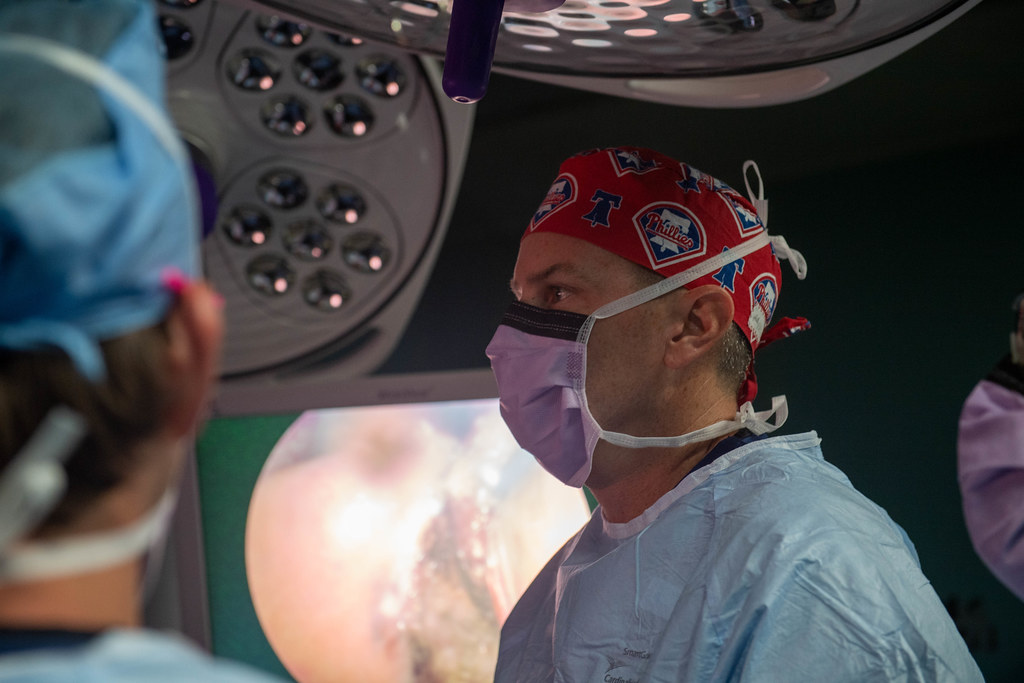
Laparoscopic Surgery in Bokaro Steel City — keyhole operations with faster recovery
Laparoscopic surgery — commonly called keyhole surgery — is the modern standard for most gallbladder, appendix and hernia operations. Instead of one long cut, the surgeon works through three or four tiny incisions using a thin camera and long, fine instruments, while watching a high-definition screen. At Surgy Centre, Bokaro Steel City, laparoscopy has been our preferred method for suitable cases for years, because patients hurt less, leave hospital sooner and return to work faster. Dr. K. K. Das and our surgical team have performed thousands of these procedures since the hospital’s founding in 1977 (laparoscopy itself since the technique reached this region), and our operation theatres are equipped for it day and night.
If you have been advised surgery for gallbladder stones, appendix, hernia or unexplained abdominal pain, this page explains what we do, how recovery really feels, what it costs, and the questions worth asking before you consent.
What is laparoscopic surgery and how does it work?
The word means “examination of the abdomen with a scope”. Under general anaesthesia, the abdomen is gently filled with carbon dioxide gas to create working space. A 5–10 mm camera (the laparoscope) is inserted through one small cut; two or three more cuts admit long instruments. The surgeon sees the inside of your abdomen magnified on a monitor and operates with precision that open surgery through one big cut simply cannot match visually. At the end, the gas is released, the tiny cuts are stitched, and most patients are left with nothing but small dressings.
The clinical benefits follow directly from the small wounds: dramatically less tissue trauma, less pain-killer requirement, lower wound-infection rates, fewer chest complications because breathing hurts less, and earlier return of bowel function.
Conditions we treat with laparoscopy at Surgy Centre
How the procedure runs at Surgy Centre — step by step
Recovery — what patients actually experience
The shoulder-tip ache from the gas (referred pain, not a heart problem) is the surprise most patients report; it fades in a day or two. Soreness around the small cuts peaks on day one and settles quickly. There is no diet restriction after gallbladder removal in our practice beyond common sense for the first week. Walking is encouraged from day one; heavy lifting (anything you cannot comfortably lift with one hand) waits two weeks. Sexual activity, bathing and climbing stairs are all permitted early — the wounds are tiny and closed. These details, explained plainly at discharge, are why our patients rarely need unscheduled revisits.
Safety, risks and honest limitations
Laparoscopic surgery is very safe in experienced hands, but no surgery is zero-risk. Bleeding, infection, injury to nearby organs (bowel, bile duct, vessels), gas-related discomfort, and the rare need to convert to an open operation are recognised possibilities that we discuss during consent — conversion is not a failure but a safety decision, made the moment it protects you. Our conversion rate for routine gallbladder surgery remains low, and every conversion is explained to the family on the same day. Diabetes, blood pressure, asthma and previous operations are all optimised before surgery rather than treated as surprises.
Costs and billing transparency
The cost of laparoscopic surgery depends on the operation, mesh or stapler use, room category and co-morbidities. After your first consultation — consultation plus ultrasound plus blood tests are usually under a couple of thousand rupees — you receive a written package estimate. Families from Bokaro, Chas and Dhanbad repeatedly confirm in reviews that the discharge bill matched that first estimate, and insurance/reimbursement documentation is handled by our accounts desk. Call 88770 88770 for a current price range for your specific case.
Why choose Surgy Centre for keyhole surgery
- Nearly five decades of surgical practice in Bokaro Steel City, led by Dr. K. K. Das since 1977.
- Same-building diagnostics: ultrasound and full laboratory reports the same day, so surgery is never delayed by logistics.
- 24×7 emergency capability — appendicitis and ectopic pregnancies are operated the same night.
- Personal post-operative follow-up by the operating surgeon, not an unknown junior.
- Honest counselling — if open surgery or no surgery is the better answer, that is what we recommend.
Frequently asked questions about laparoscopic surgery
Is keyhole surgery more expensive than open surgery?
The equipment cost is slightly higher, but shorter hospital stay, fewer dressings and faster return to work usually balance it. We quote both routes honestly where both are suitable.
Will the gallstones come back after gallbladder removal?
No — stones form in the gallbladder; once it is removed, stone recurrence in the bile ducts is uncommon and unrelated to diet myths patients worry about.
Can I live normally without a gallbladder?
Yes. The liver continues to make bile; digestion adapts within days to weeks. Some patients notice looser stools with very fatty meals initially.
How big are the scars?
Three to four cuts of 5–10 mm, closed with absorbable sutures under dressings. They fade to small marks over months.
When can I drive, cook and lift my child?
Driving when you can brake confidently without pain — usually 4–7 days. Cooking and light housework within days. Lifting a toddler: after about two weeks.
Do you accept insurance?
We support reimbursement documentation and help verify cashless availability with your TPA before admission.
Book a laparoscopic surgery consultation
Bring your ultrasound report (or let us do one in-house) and your questions. Surgy Centre, 225 Cooperative Colony, Bokaro Steel City, Jharkhand 827001. OPD Monday–Saturday 9 AM–12 PM and 3–6 PM; emergencies 24×7 on 88770 88770 / 73710 50505. Book online or explore related services: Hysterectomy · Ectopic Pregnancy · All Treatments.
Laparoscopic cholecystectomy — the deep dive most patients want
Gallbladder removal deserves its own explanation because it is the operation most people here actually face. Gallstones form when bile’s chemistry tips — cholesterol crystals growing into stones over years; attacks follow fatty meals with right-upper-belly pain, sometimes radiating to the back or right shoulder, often with vomiting. Once stones cause symptoms, surgery is the definitive answer — medicines dissolve nothing meaningful, and attacks worsen with time. The laparoscopic operation: four small cuts, the gallbladder artery and duct clipped securely, the gallbladder peeled off the liver bed and delivered out through the umbilical cut. Critical anatomy is identified clearly before anything is divided — the discipline that keeps the bile duct safe — and when anatomy is unclear, cholangiography or conversion is the honest move. The operation typically takes 30–60 minutes; most patients eat the next morning and go home within a day or two. After removal, the body manages digestion without the gallbladder’s storage function — a brief period of looser stools with heavy fatty meals settles for nearly everyone within weeks.
Laparoscopic appendicectomy — the midnight regular
Appendicitis is the classic surgical emergency: pain starting around the navel and settling in the right lower belly, with nausea, fever and a belly that resists touch. The diagnosis is clinical, supported by blood counts and ultrasound when the picture is unclear (in-house, same night). Laparoscopic removal is our standard: it confirms the diagnosis directly (some “appendix” pains are gynaecological or other surprises the camera identifies), cleans any pus, and leaves three tiny scars. Antibiotics accompany the operation per protocol; complicated cases (gangrene, perforation with abscess) take a longer course but follow the same pathway. The family should expect one to three nights in hospital and a week to normal activity — and should expect the surgeon to explain exactly what was found, because the appendix always tells a story.
Laparoscopic hernia repair — mesh done properly
Hernias — groin, umbilical, incisional — are weaknesses in the abdominal wall through which contents bulge. The danger is not the bulge but the strangulation risk when bowel traps in the defect: sudden severe pain with a hard, tender, irreducible swelling is an emergency (call immediately). Elective repair closes the weakness with mesh — laparoscopically placed from behind the wall for inguinal and some incisional hernias, offering quicker comfort and earlier work return, especially for recurrent or bilateral cases. Open repair remains right for some hernias and some patients; the choice is anatomical and honest, not fashionable. Post-operatively: sensible activity within days, no heavy lifting for weeks, and lifelong awareness that repairs reduce — but never abolish — recurrence risk; weight and smoking cessation are the patient’s contribution to that equation.
Gynaecological laparoscopy — the same keyhole, different questions
The laparoscope transformed gynaecology as much as general surgery: ovarian cysts removed with the ovary preserved where possible; ectopic pregnancies treated before rupture becomes catastrophic; tubal patency assessed during infertility workups with adhesions divided in the same sitting; endometriosis deposits identified and treated; and hysterectomies completed through keyhole incisions for suitable uteri. Diagnostic laparoscopy for chronic pelvic pain often ends the years-long “all reports normal” suffering by finally showing what is actually there. Recovery follows the keyhole standard — home in a day or two, normal life inside a fortnight — with the emotional weight of gynaecological diagnoses handled by the counselling our team considers part of the operation, not an afterthought.
Why the theatre matters as much as the surgeon
Keyhole surgery is equipment-dependent: a high-definition camera column, insufflators that hold steady pressure, energy platforms, and instruments fine enough to be gentle on tissue a centimetre away from the working end. Our theatre maintains these systems with planned servicing, and the team — surgeon, anaesthetist, OT technicians and nursing — rehearses the workflow until it is boring in the best sense. Sterility follows the theatre’s between-case protocol; instrument trays are sealed, dated and logged. The result patients feel: operations that start on time, finish as planned, and hand over to recovery without drama. Boring operations are the successful ones — everything else is a story nobody wants.
Need a consultation or second opinion?
Book your appointment online or call us directly — our team will confirm your slot within minutes.